 Pin it
 My first real cheesecake was a disaster, but it taught me everything. I'd tried following some magazine recipe that promised perfection in a box, and somehow I'd managed to create something that cracked like desert earth and tasted vaguely of panic. Years later, after making this New York version maybe fifty times, I finally understood: cheesecake isn't about rushing or skipping steps, it's about patience and trusting the wobble. That jiggle in the center when it comes out of the oven? That's not underbaked. That's the promise of silk.
I made this for my sister's birthday on a cold February afternoon, and the kitchen smelled like buttery graham and vanilla for hours afterward. She took one bite and just closed her eyes, and I knew right then that all those years of failures had been worth it. That's the thing about a really good cheesecake: it stops people mid-conversation.
Ingredients
- Graham cracker crumbs (200 g): The foundation everyone overlooks. Fresh crumbs from actual graham crackers beat store-bought ones because they hold their texture better and don't turn to paste.
- Unsalted butter (100 g melted): Salted butter will make your crust grainy and throw off the balance, so don't shortcut this one.
- Granulated sugar (2 tbsp for crust, 200 g for filling): The crust sugar helps bind everything; the filling sugar should be added slowly while beating to dissolve completely and avoid grittiness.
- Full-fat cream cheese (900 g): Non-negotiable. Low-fat versions break the creamy promise of this dessert, and cold cream cheese creates lumps that no amount of mixing fixes.
- Sour cream (240 ml plus optional topping): This adds tang and moisture, keeping the filling from becoming dense or rubbery as it cools.
- Large eggs (3): Room temperature means they incorporate smoothly without creating air bubbles that can cause cracks during baking.
- Cornstarch (1 tbsp): A secret weapon that stabilizes the filling and prevents the dreaded cracks, even in humid kitchens.
- Pure vanilla extract (2 tsp): Real vanilla makes the difference between pleasant and memorable.
- Fresh lemon juice (1 tbsp): Just enough to brighten the filling without making it taste tart.
Tired of Takeout? 🥡
Get 10 meals you can make faster than delivery arrives. Seriously.
One email. No spam. Unsubscribe anytime.
Instructions
- Prepare your stage:
- Preheat the oven to 160°C and line your springform pan with parchment paper on the bottom. Having everything ready before you start means you won't panic when the filling is ready to go into the oven.
- Build the crust foundation:
- Mix graham cracker crumbs with melted butter, sugar, and salt until it feels like damp sand between your fingers. Press it firmly into the pan base, bake for 10 minutes until it smells warm and toasted, then let it cool while you work on the filling.
- Cream the cheese until smooth:
- Beat room temperature cream cheese for about 2 minutes until it's completely smooth and there are no lumps hiding in the corners. This is worth the time because lumpy cheese cheese = lumpy cheesecake.
- Add sugar and combine gently:
- Gradually add sugar while beating, then mix in sour cream, vanilla, lemon juice, cornstarch, and salt. The key is mixing just until everything is incorporated, not beating air into the batter like you're making whipped cream.
- Fold in the eggs with care:
- Add eggs one at a time on low speed, scraping the bowl after each addition. Overmixing at this stage introduces tiny air bubbles that become cracks in the oven, so show some restraint.
- Create a water bath and bake:
- Pour the filling over the cooled crust, smooth the top, then place the whole springform pan inside a larger roasting pan filled with hot water halfway up the sides. The water bath keeps the cheesecake baking gently and evenly instead of browning or cracking.
- Watch for the wobble:
- Bake for 55 to 65 minutes until the edges are set but the very center still jiggles slightly when you gently shake the pan. That jiggle is your signal to stop before it's overcooked.
- Cool slowly and patiently:
- Turn off the oven, crack the door open, and let the cheesecake sit inside for 1 hour as it cools gradually. This prevents the temperature shock that causes cracks when you go from hot oven to cold air.
- Final chill and serve:
- Run a thin knife around the edges once it's out of the oven, then let it cool to room temperature before refrigerating for at least 6 hours or overnight. Slice with a hot, clean knife for clean edges that look intentional.
 Pin it
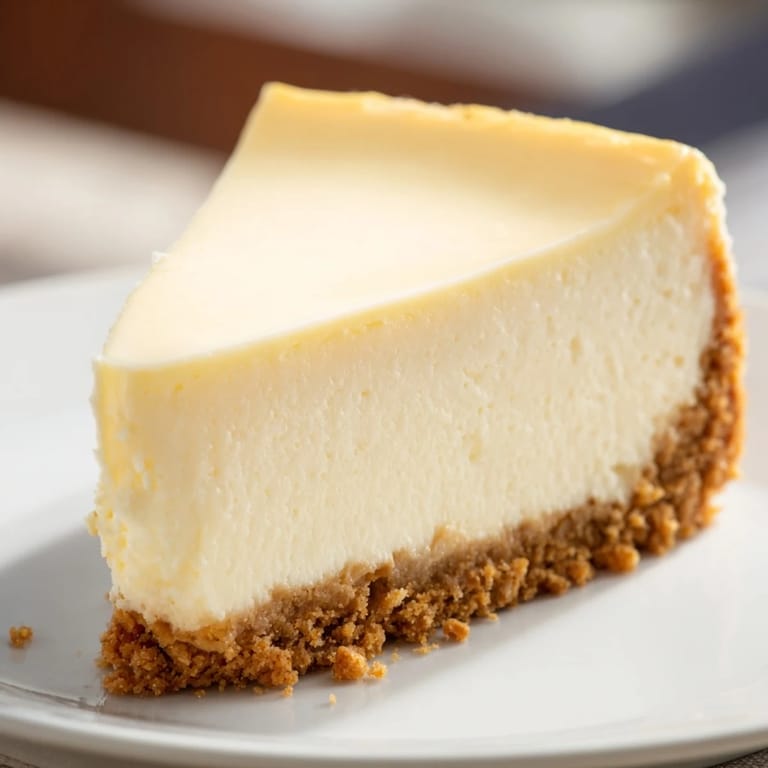
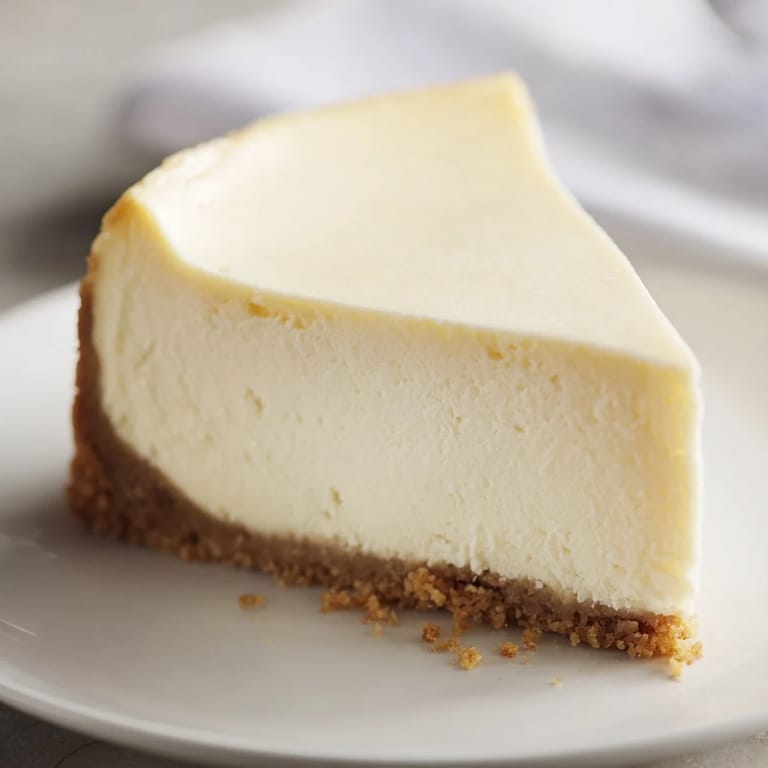
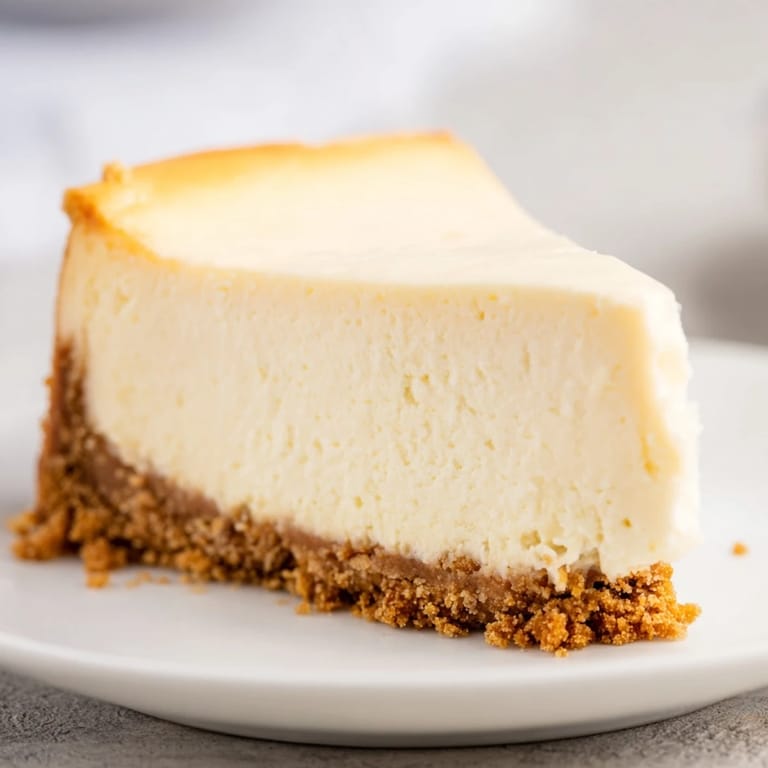
 There's a moment right when the knife cuts through that first slice and you see the layers, the set-but-tender center, the graham cracker base still holding strong beneath weeks of refrigerator time. That's when you know you've done it right. That's when someone will ask for the recipe, and you'll get to pass on everything you've learned in that moment.
The Water Bath Secret
The water bath isn't optional fanciness; it's insurance against every cheesecake disaster you've heard about. It keeps the oven temperature around the pan stable and gentle instead of blasting heat from below. I once skipped it to save time, thinking I'd be clever, and ended up with a cheesecake that looked fine until I cut into it and discovered a small crack in the center. That taught me that a few minutes of extra setup is worth never having that feeling again.
Room Temperature Matters More Than You Think
Taking ingredients out of the fridge thirty minutes before you start isn't micromanaging, it's respecting the recipe. Cold cream cheese fights against mixing, cold eggs create tiny air pockets that become cracks, and cold sour cream won't incorporate smoothly. I started keeping a thermometer nearby to make sure my ingredients were actually at room temperature and not just sitting out looking innocent. The difference between 18°C and 20°C isn't huge, but it's the difference between hoping and knowing.
Making It Your Own
The classic version is perfect on its own, but once you've made it a few times, you understand the structure well enough to play. A swirl of melted chocolate through the filling adds richness without changing the bake time. Fresh berries on top add color and a little tartness that cuts through the sweetness. Even the topping sour cream layer is optional but transforms a good cheesecake into something restaurant-quality that looks like you've hired a pastry chef.
- A dark chocolate swirl adds visual drama and depth without overwhelming the delicate cheesecake flavor.
- Fresh raspberries or a quick berry compote on top taste bright and fresh against the richness.
- The sour cream topping layer is worth the extra minute of work because it bakes into a silky finish that protects the cheesecake from drying out.
 Pin it
 After all the waiting and chilling and careful slicing, when you finally get to taste it, remember that this is food made with intention. The creamy center, the crisp crust, the way it tastes like indulgence but also like home—that's worth every careful step.
Recipe FAQs
- → What is the best way to achieve a creamy texture?
Use room temperature cream cheese and eggs, mix gently, and bake in a water bath to prevent cracking and ensure a smooth filling.
- → Can I prepare the crust in advance?
Yes, the graham cracker crust can be baked and cooled before adding the filling, which helps maintain a firm base.
- → How long should the cheesecake chill before serving?
Chill the cheesecake for at least six hours or overnight to allow it to set properly and enhance its flavors.
- → What variations can enhance the flavor?
Try adding fresh berries, a fruit compote, or swirling melted chocolate into the filling before baking for different tastes.
- → How do I prevent cracks on the cheesecake surface?
Bake the cheesecake in a water bath, avoid overmixing the batter, and let it cool gradually with the oven door slightly ajar.