 Pin it
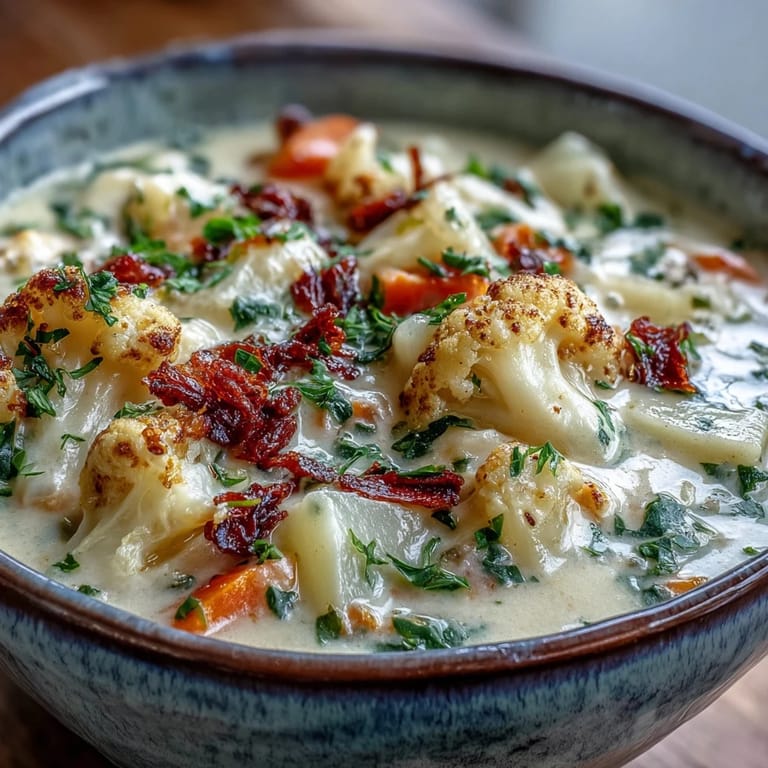
 The smell of butter meeting onions in a hot pot always signals the start of something good, and this cauliflower chowder is no exception. I started making it during a particularly cold stretch in February when I needed something warming but lighter than the usual cream-heavy soups. The first bowl surprised me with how satisfying it was without feeling heavy, and I found myself craving it even when the weather warmed up. It became my go-to for using up random vegetables in the crisper drawer. Now it shows up on my table at least twice a month, sometimes with slight variations depending on what I have on hand.
I served this to a friend who claimed she didnt like cauliflower, and she finished two bowls without realizing what the main ingredient was. That moment taught me how much texture and seasoning can transform a vegetable some people overlook. We sat at my kitchen table with bread torn into chunks, dipping it into the chowder and talking until the pot was empty. She asked for the recipe before she even left, which is always the best compliment. Since then, Ive made it for several skeptics, and it wins them over every time.
Ingredients
- Cauliflower: The star of the chowder, it becomes tender and slightly sweet when simmered, blending beautifully into the creamy base while some florets stay chunky for texture.
- Carrots: They add natural sweetness and a pop of color, plus they hold their shape well during the long simmer without turning mushy.
- Potatoes: These give the chowder body and help thicken the broth naturally as they break down slightly while cooking.
- Onion: The foundation of flavor, softened in butter until translucent and fragrant, it builds the savory backbone of the soup.
- Garlic: Just two cloves add a gentle aromatic warmth without overpowering the delicate vegetables.
- Celery: It contributes a subtle earthiness and a bit of crunch that balances the softer vegetables.
- Whole milk: This creates the creamy consistency without being too heavy, though plant-based milk works beautifully if you prefer it.
- Sharp cheddar cheese: It melts into the chowder and adds a tangy richness that makes the soup feel extra comforting.
- Unsalted butter: The best fat for sauteing the aromatics, it adds a silky richness right from the start.
- Vegetable broth: Low-sodium is key so you can control the saltiness and let the vegetable flavors shine through.
- Dried thyme: A classic herb for chowders, it adds a subtle earthiness that complements the vegetables perfectly.
- Smoked paprika: This is the secret ingredient that gives a gentle warmth and a hint of smokiness without any heat.
- White pepper: It adds a mild peppery bite without the black specks, keeping the chowder visually creamy and smooth.
- All-purpose flour: This thickens the broth just enough to give it that classic chowder consistency.
- Fresh parsley: A bright, herby garnish that adds a fresh contrast to the rich, creamy soup.
Tired of Takeout? 🥡
Get 10 meals you can make faster than delivery arrives. Seriously.
One email. No spam. Unsubscribe anytime.
Instructions
- Start with the aromatics:
- Melt the butter in your large pot over medium heat and add the onion, garlic, celery, and carrots. Saute them for about 5 minutes, stirring occasionally, until the onion turns soft and translucent and the kitchen smells amazing.
- Build the base:
- Sprinkle the flour over the softened vegetables and stir constantly for about a minute to cook off the raw flour taste. This step creates a light roux that will thicken your chowder beautifully.
- Add the broth:
- Pour in the vegetable broth gradually, whisking as you go to prevent any lumps from forming. The mixture should become smooth and slightly thickened.
- Simmer the vegetables:
- Add the diced potatoes and cauliflower florets to the pot, then bring everything to a boil. Reduce the heat and let it simmer gently for 15 to 18 minutes until the vegetables are fork-tender.
- Make it creamy:
- Stir in the milk, thyme, smoked paprika, salt, and white pepper, then let the chowder simmer gently for another 5 minutes. The milk will blend with the broth and create that luscious, creamy texture.
- Blend for texture:
- Use an immersion blender to puree part of the chowder right in the pot, leaving plenty of chunky vegetables for contrast. If you dont have an immersion blender, scoop out a cup or two and blend it in a regular blender, then stir it back in.
- Finish with cheese:
- Stir in the grated cheddar and let it melt completely into the chowder, then taste and adjust the salt and pepper as needed. The cheese adds a tangy richness that pulls everything together.
- Serve it up:
- Ladle the chowder into bowls and top with fresh parsley, extra cheese, or a pinch of red pepper flakes if you like a little kick. Serve it hot with crusty bread on the side.
 Pin it
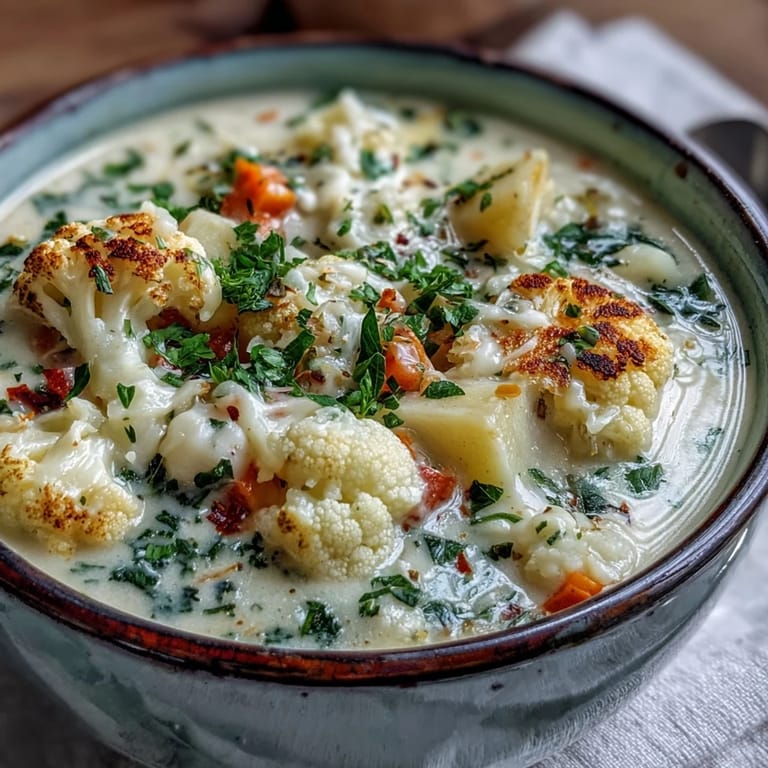
 One Sunday afternoon, I made a double batch of this chowder and brought half to my neighbor who had just had surgery. She called me later that evening to say it was the first thing that actually tasted good to her in days, and that it made her feel cared for in a way that felt more personal than flowers. That was when I realized this recipe wasnt just about feeding people, it was about offering comfort in a bowl. Since then, Ive made it for new parents, sick friends, and anyone who just needs something warm and gentle.
How to Customize Your Chowder
This chowder is incredibly forgiving and welcomes all kinds of tweaks. If you want more protein, stir in a can of drained white beans or chickpeas during the last few minutes of cooking. For a vegan version, swap the butter for olive oil, use unsweetened almond or oat milk, and either skip the cheese or use a good quality vegan cheddar. Ive also added a handful of fresh spinach or kale at the end for extra greens, and it wilted right in without changing the flavor. You can even swap the cauliflower for broccoli if thats what you have, though the color will be more green than creamy white.
Storing and Reheating
This chowder keeps beautifully in the fridge for up to four days in an airtight container. It does thicken as it sits, so when you reheat it on the stovetop, add a splash of milk or broth to loosen it back up. I usually reheat it over low heat, stirring occasionally, until its warmed through and creamy again. You can also freeze it for up to two months, though the texture of the potatoes may change slightly once thawed. Let it cool completely before transferring it to freezer-safe containers, and thaw it overnight in the fridge before reheating.
Serving Suggestions
I almost always serve this chowder with a thick slice of crusty sourdough or a warm baguette for dipping. A simple green salad with a tangy vinaigrette on the side balances the richness of the soup nicely. If youre serving it for a crowd, set out small bowls of toppings like extra cheese, fresh herbs, croutons, or even crumbled bacon for non-vegetarians. It also pairs surprisingly well with a crisp Sauvignon Blanc or a light, hoppy beer.
- Serve with crusty bread, crackers, or garlic toast for dipping and soaking up every last bit.
- Top with crumbled bacon, chives, or a drizzle of olive oil for extra flair.
- Pair it with a simple arugula salad dressed in lemon and olive oil to cut through the creaminess.
 Pin it
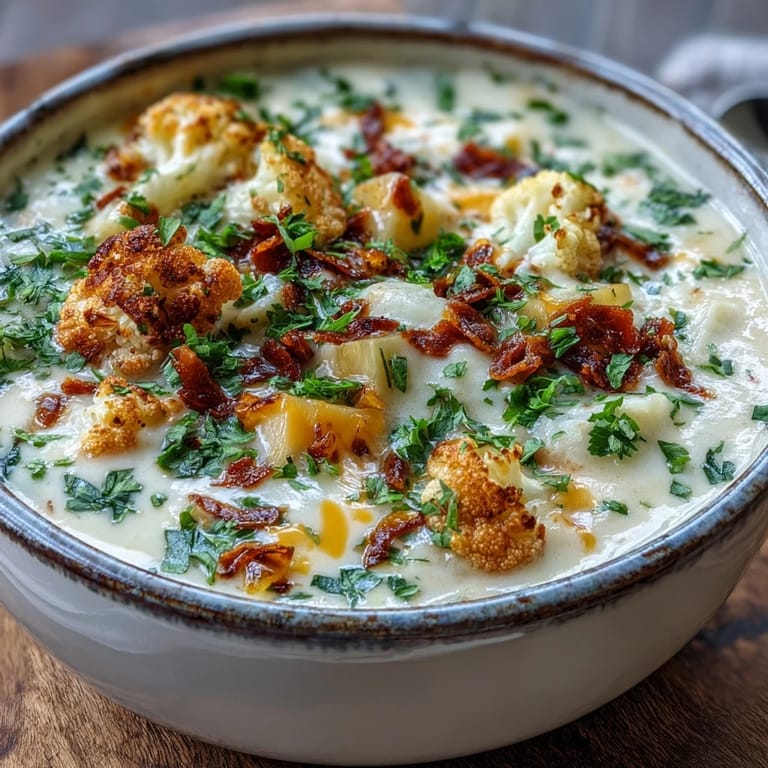
 This chowder has become one of those recipes I turn to when I need something reliable, nourishing, and easy to make without much thought. Its warm, its flexible, and it always feels like a hug in a bowl.
Recipe FAQs
- → Can I make this chowder vegan?
Yes, simply substitute the butter with olive oil, use unsweetened plant-based milk, and either omit the cheese or use vegan cheese alternatives.
- → How do I make this chowder gluten-free?
Replace the all-purpose flour with a gluten-free flour blend and ensure your vegetable broth is certified gluten-free.
- → Can I freeze leftover cauliflower chowder?
While you can freeze it, dairy-based soups may separate upon thawing. For best results, freeze before adding the milk and cheese, then stir those in after reheating.
- → What can I use instead of an immersion blender?
Transfer 2-3 cups of the soup to a regular blender, blend until smooth, then return it to the pot. Always be careful when blending hot liquids.
- → How can I add more protein to this chowder?
Stir in cooked white beans, chickpeas, or cannellini beans during the final simmer for added protein and heartiness.
- → What cheese works best in this chowder?
Sharp cheddar provides excellent flavor and melts beautifully. You can also try Gruyère, white cheddar, or a combination for depth.